Did you know that foodborne illnesses affect 48 million Americans annually? We’re not messing around when it comes to bacterial contamination – it’s a serious threat that demands our attention. Whether you’re a home cook or professional chef, there’s no room for shortcuts in food safety. Let’s cut through the fluff and tackle the three most effective strategies we’ve developed to minimize contamination risks in any kitchen environment.
Essential Cleaning Protocols for Vacuum Sealer Components
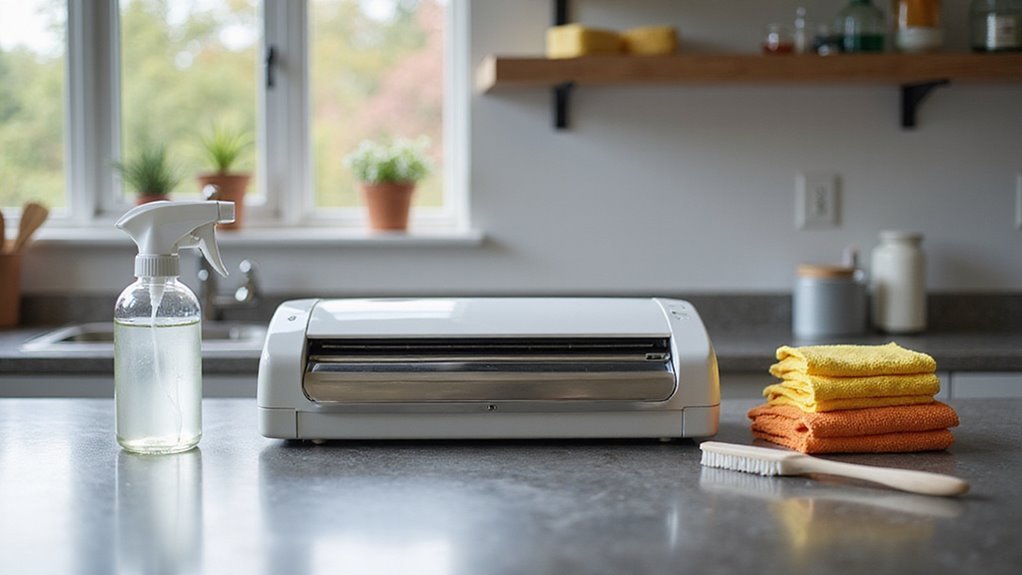
While maintaining your vacuum sealer’s performance is essential, keeping it spotlessly clean is non-negotiable for food safety.
Let’s tackle these cleaning protocols to prevent bacterial contamination head-on. We’ll start by disassembling components for thorough cleaning – bags, trays, and seals included.
Don’t skip those hard-to-reach spots where bacterial buildup lurks.
Use warm, soapy water or vinegar solutions on non-electrical parts, and eliminate moisture completely before reassembly.
We’ll sanitize surfaces with a bleach solution (1 tablespoon per gallon), letting it sit for 10 minutes. Additionally, using gentle cleansers ensures that you eliminate germs without introducing harmful chemicals.
Remember: avoid abrasive cleaners that create bacterial hiding spots.
Store everything clean, dry, and covered.
Proper Storage and Handling of Sealed Food Items
Three critical factors determine the safety of your vacuum-sealed foods: temperature, packaging integrity, and proper handling.
We’ve got to nail proper storage to minimize risks of bacterial growth. Keep sealed food items below 70°F in a cool, dry spot away from sunlight.
Always check packaging for damage – even tiny punctures compromise food safety. Once opened, transfer contents to airtight containers immediately.
Let’s talk handling: wash hands thoroughly before touching sealed packages, and maintain strict separation between raw and cooked foods to prevent cross-contamination. Additionally, using high-quality, food-grade bags is essential to prevent plastic poisoning and ensure the safety of your stored food.
Track those expiration dates religiously, and remember: oldest items get eaten first. No exceptions.
Regular Maintenance and Safety Checks

Since bacteria don’t take vacations from trying to contaminate our food, we’ve got to stay vigilant with maintenance and safety protocols.
Let’s nail down these critical safety checks to prevent infections and keep our food properly protected:
- Monitor food storage areas daily, maintaining refrigerator temps below 40°F
- Execute thorough cleaning and sanitization of contaminated surfaces, especially cutting boards
- Implement strict separation protocols between raw and cooked items
- Deploy extensive pest control measures – because rodents don’t RSVP
- Document everything in maintenance logs, because if it’s not recorded, it didn’t happen
- Regularly clean and sanitize your vacuum sealing equipment to further enhance food safety standards.
Frequently Asked Questions
How Can You Reduce the Risk of Bacterial Contamination?
We’ll reduce bacterial risks through proper handwashing techniques, safe food storage, surface sanitization, personal hygiene, water testing, correct cooking temperatures, preventing cross-contamination, equipment sterilization, proper waste disposal and health education.
What Can You Do to Reduce Your Risk of Bacterial Infections?
We can protect ourselves through regular handwashing, proper food handling, sanitizing surfaces, maintaining personal hygiene, getting vaccinations, cooking thoroughly, and supporting our immune system with healthy lifestyle choices.
How Do You Prevent Bacterial Contamination?
Let’s keep our kitchens sparkling clean! We’ll prevent bacterial spread through proper hand washing, safe food handling, thorough cooking, regular surface disinfection, and maintaining good personal hygiene while storing food correctly.
What Technique Is Used to Minimize Bacterial Contamination?
We’ll minimize bacterial contamination through sterile techniques, proper hand hygiene, surface disinfection, and equipment sterilization. Let’s maintain quality control with air filtration and proper food handling and waste management procedures.